
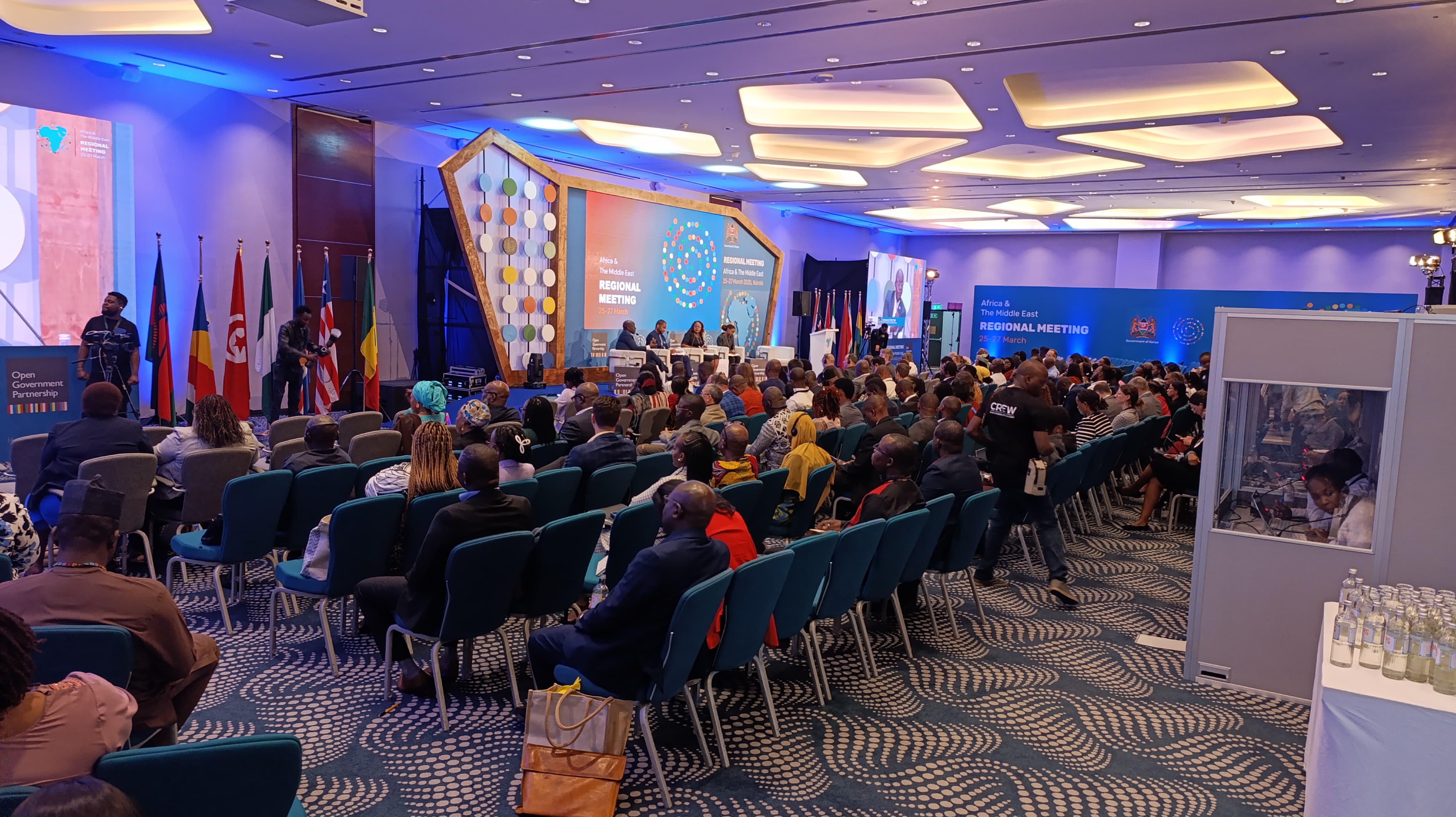
When organizing a high-level diplomatic forum, multilateral summit, or international conference, simultaneous interpretation is not merely a convenience—it is the bedrock of diplomatic understanding. However, many event organizers overlook the single piece of equipment that directly safeguards interpreter stamina and audio performance: the mobile interpretation booth.
The International Organization for Standardization developed ISO 4043:2016 (Mobile booths for simultaneous interpretation) to establish stringent technical specifications for transportable interpretation enclosures. At AVSIE Rental, every booth deployed in our regional inventory strictly adheres to these benchmarks.
💡 Key ISO 4043 Compliance Pillars
- Acoustic Isolation: Minimum sound attenuation (Rw ≥ 24 dB to 28 dB) across critical speech frequency spectra.
- Forced Ventilation: Ultra-quiet ventilation exchanging air at least 7 to 8 times per hour without introducing microphone hum.
- Clear Sightlines: Full frontal and lateral panoramic visibility toward the speaker and projection screens.
- Ergonomics & Safety: Minimum internal dimensions for two to three interpreters, fire-retardant sound-absorbing finishes.
1. Acoustic Isolation & Sound Attenuation
Interpreters work under intense cognitive load, continuously listening to source speech while speaking into their microphone in the target language. If room noise—such as PA spill, clapping, catering clatter, or air conditioning rumble—penetrates the booth, it strains the interpreters’ ears and causes auditory fatigue within minutes.
ISO 4043 mandates laboratory-certified sound transmission loss:
- At 250 Hz, sound insulation must exceed 18 dB.
- At 500 Hz, sound insulation must exceed 24 dB.
- At 1,000 Hz to 4,000 Hz (the critical voice frequency bands), attenuation must reach 28 dB to 32 dB.
This acoustic barrier also protects the meeting room from the interpreter's own voice, preventing unwanted bleed back into the main sound reinforcement system.
"A non-compliant booth is like asking an airline pilot to fly with opaque windshields and engine noise leaking into the cockpit. Professional interpreters have the contractual right under AIIC guidelines to refuse working in non-compliant booths."
2. Silent Air Ventilation & CO2 Control
Because interpretation booths are sealed tight to achieve acoustic performance, they quickly turn into high-temperature carbon dioxide traps if ventilation is inadequate. Two adult interpreters produce approximately 40 liters of carbon dioxide per hour along with substantial body heat.
ISO 4043 specifies dual low-noise extraction fans mounted on the roof or rear wall that maintain:
- Continuous air replacement of at least seven complete cabin volumes per hour.
- An internal noise rating below NR 30 (Sound Pressure Level < 35 dBA at ear height), ensuring fans do not induce background hiss into delegate headsets.
3. Panoramic Sightlines & Optical Clarity
Simultaneous interpretation is 40% visual. Interpreters rely heavily on lip movements, facial cues, body gestures, and presentation slides to anticipate sentence structures, particularly in syntax-inverting languages like German, Arabic, or French.
Under ISO 4043, booths must feature front and side panels made of laminated acoustic safety glass extending from table height (typically 73 cm) to at least 150 cm above the floor. Positioning booths behind pillars, backstage, or where screens are obstructed violates standard diplomatic protocol.
4. Interior Dimensions & Ergonomics
ISO 4043 defines specific dimension grades for mobile booths:
- Standard 2-Person Booth: Minimum width 1.60 m, depth 1.60 m, internal height 2.00 m.
- 3-Person Summit Booth: Minimum width 2.40 m, depth 1.60 m, internal height 2.00 m.
- Sturdy integrated working surfaces capable of accommodating modern interpreter consoles (such as the Bosch DCN-IDESK or DICENTIS), reference laptops, and documents.
Planning an International Conference in East Africa?
AVSIE supplies ISO 4043 certified Audipack booths, Bosch Integrus infrared systems, and AIIC-accredited conference interpreters across Kenya, Rwanda, Tanzania, and beyond.
