

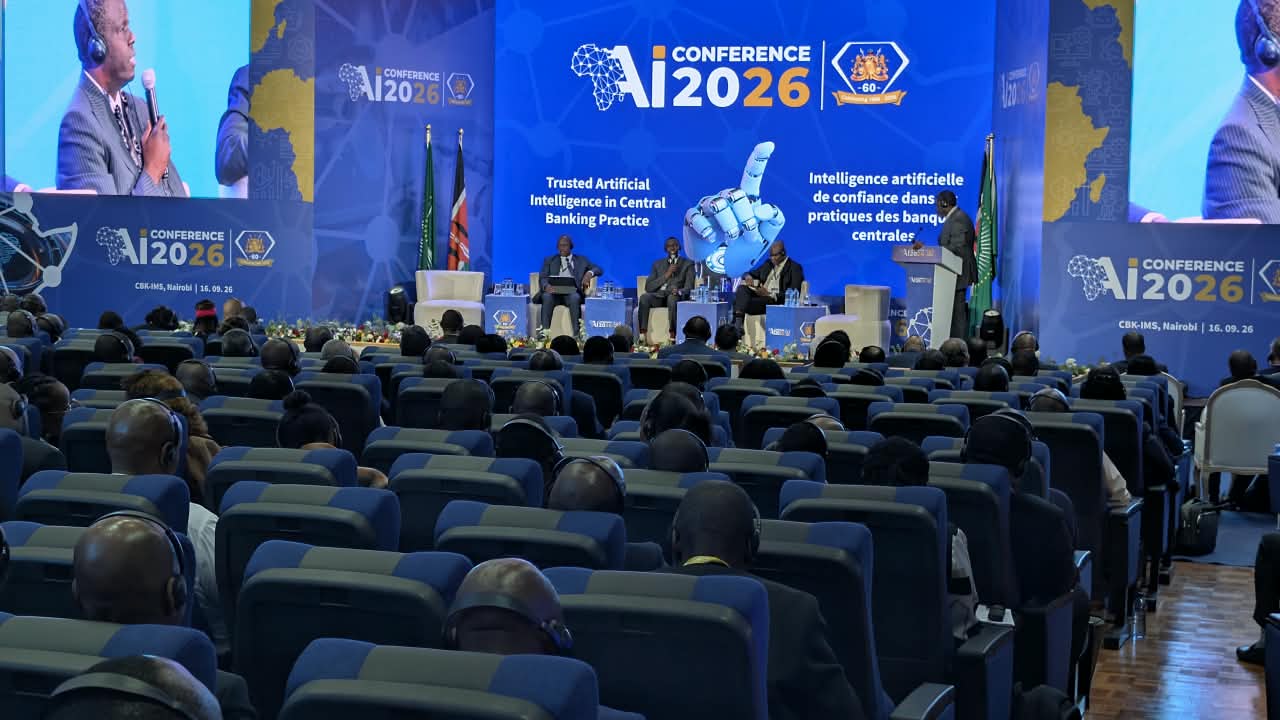
When delivering simultaneous interpretation to hundreds or thousands of attendees, transmitting audio from the interpreter consoles to each delegate’s pocket receiver is a critical link. The two predominant wireless technologies deployed globally are Infrared (IR) and Radio Frequency (FM/RF).
While both systems provide wireless multi-channel audio, they operate under fundamentally different physical principles. Choosing the wrong system can lead to security breaches, channel crosstalk, or radio regulatory fines.
💡 The Quick Decision Rule
- Choose Infrared (IR): For confidential boardroom sessions, multi-room breakout centers, diplomatic summits, and venues requiring 4 to 32 simultaneous channels.
- Choose FM (Radio Frequency): For outdoor rallies, massive overflow tents, site tours, factory visits, or events where delegates move across wide open grounds.
1. Security & Information Containment
The most pivotal difference lies in physical wave propagation. Infrared light cannot penetrate opaque walls, curtains, or solid doors. Light rays bounce off ceilings and walls, bathing the room in an invisible optical carrier, but never leaking outside.
In contrast, FM radio waves easily pass through walls, glass, and building floors. A person sitting in an adjacent hotel room, parking lot, or vehicle with a simple pocket scanner could tune in and overhear closed-door bilateral talks or proprietary earnings briefings.
For government ministries, UN agencies, embassies, and publicly traded corporations, Infrared is universally mandated for sensitive assemblies.
2. Channel Density in Multi-Room Venues
Imagine a convention center hosting a summit with six adjacent breakout rooms, each requiring four interpretation languages (e.g., English, French, Arabic, Swahili).
- With Infrared: Because IR light is completely contained within each room, all six rooms can simultaneously reuse the exact same IR carrier frequencies without any interference.
- With FM Radio: Six rooms multiplied by four channels equals 24 distinct radio frequencies required across the local spectrum. In crowded urban centers like Nairobi, Kigali, or Addis Ababa, finding 24 clear, intermodulation-free FM channels without stepping on local commercial broadcasters or telecom bands is virtually impossible.
"At the African Climate Summit, having over 8 concurrent technical sessions in adjacent halls made Bosch Integrus Infrared the only viable choice—zero frequency coordination headaches between rooms."
3. Line-of-Sight and Room Coverage
Where does FM shine? Line-of-sight flexibility. Infrared radiators require an unobstructed line of optical reflection to the delegate's receiver. If an attendee puts the receiver in a thick leather bag or pockets it beneath heavy garments, the IR signal may drop.
FM does not require line-of-sight. The delegate can have the receiver inside a deep coat pocket, a backpack, or even walk to the restroom without missing the speaker’s remarks. This makes FM ideal for factory tours, mobile agricultural demonstrations, and outdoor ceremonies.
Comparison Summary
| Feature | Infrared (IR) | FM Radio (RF) |
|---|---|---|
| Privacy & Security | 100% Contained inside room | Penetrates walls (Risk of eavesdropping) |
| Max Audio Channels | Up to 32 simultaneous channels | Typically 2 to 8 channels max |
| Multi-Room Reusability | Unlimited (Same channels in every room) | Difficult (Channels collide between rooms) |
| Outdoor & Mobile Use | Vulnerable to direct sunlight | Superior range (up to 150m+) |
Not Sure Which System Fits Your Venue?
AVSIE maintains over 5,000 digital IR and FM delegate receivers with on-site frequency planning. Let our acoustic engineers design your room layout.
